

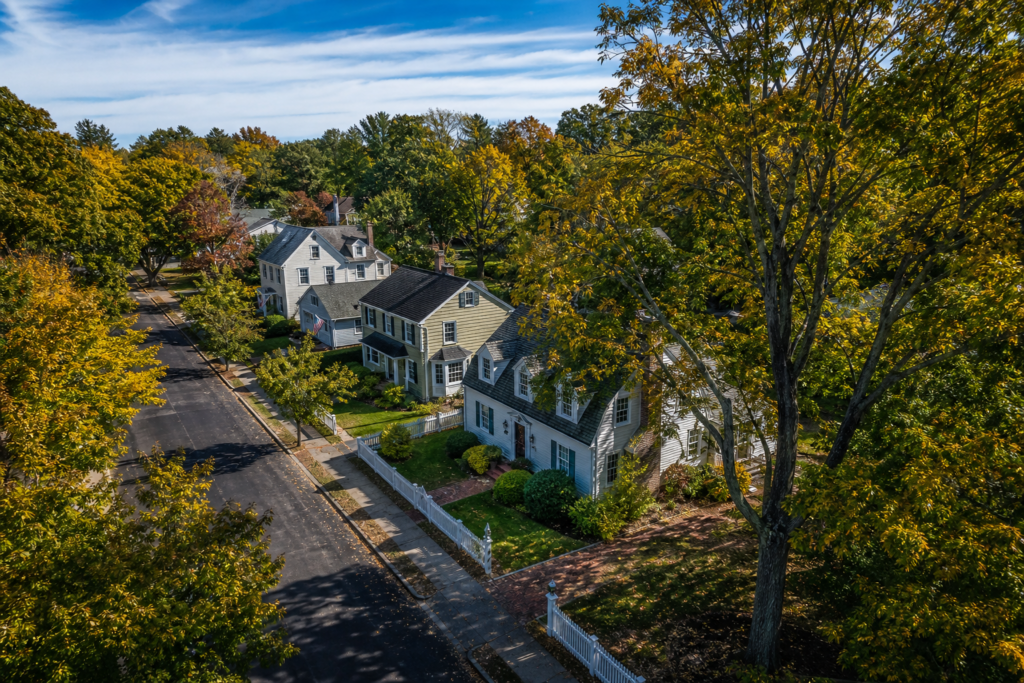
Needham’s New Tree Bylaw Explained for Sellers and Builders
What does Needham‘s new tree preservation bylaw mean if you’re selling, building, or renovating a home in town?
Needham’s Special Town Meeting passed a tree preservation bylaw on October 19, 2026 that will regulate how mature trees in setback areas are handled during construction. It is not enforceable yet, pending Attorney General approval, which Select Board Chair Heidi Frail expects between March and May 2027, but if you are planning to sell or build, you should be preparing now.
Why Needham’s Tree Bylaw Matters Right Now
If you’ve been paying attention to Needham’s development conversations over the past decade, you know this has been a long time coming. Two previous attempts, in 2016 and 2021, failed. On October 19, 2026, the third try passed by a convincing voice vote at Special Town Meeting, as reported by the Needham Observer.
Here is what makes this moment different: the tree bylaw did not pass in isolation. Needham’s Town Meeting also approved two zoning articles limiting the height and massing of new homes at the same session. Taken together, the message is clear. Needham wants new construction to fit its neighborhoods more carefully.
With 26 years of experience advising buyers and sellers in this market, I can tell you that trees are part of what buyers fall in love with in Needham. Mature trees and shaded streets come up in almost every first showing, especially with families moving from cities. This bylaw formalizes what the community has been asking for, and if you’re involved in a transaction, you need to understand the details before they become enforceable.
What Triggers the Tree Bylaw in Needham, and What Doesn’t
One of the most common misunderstandings I’m already hearing is that this bylaw covers all tree removal in Needham. It does not. Here is how it actually works.
Construction Permits Are the Trigger
The bylaw is activated only when you pull a construction permit. If you are a homeowner who wants to take down a diseased maple in your backyard and you are not doing any permitted construction, this bylaw does not apply to you.
The Setback Zone Is What Matters
The bylaw protects mature trees located in what it calls the “tree yard,” which is the non-buildable setback area around a property. It does not cover your entire lot. If you are planning a project, you will need to identify which trees sit within that setback zone and whether they meet the size threshold.
The Size Threshold
Based on the draft bylaw language summarized in the Needham Citizen Portal in May 2026, the threshold is trees with a trunk diameter of 6 inches DBH (diameter at breast height) or greater. This figure should be confirmed against the official bylaw text once the Attorney General approves the final language.
ADU Exemption
If you are building an accessory dwelling unit, the bylaw explicitly exempts ADU construction. This is a meaningful distinction for homeowners adding rental or in-law units.
What does all of this mean in practical terms? If you are adding to your home or building new, your first step should be walking the setback with an eye toward which trees fall within it and which ones meet the diameter threshold.
The Look-Back Rule That Needham Sellers and Builders Cannot Afford to Miss
This is the provision I want every client to understand, because it is the one most likely to catch people off guard.
Twelve Months of Tree History Count
The bylaw includes a 12-month look-back period. If trees meeting the threshold are removed in the year before a permit application is filed, those trees are counted as if they were removed under the bylaw. In other words, clearing a lot before pulling permits will not help you avoid the rules.
Why This Changes the Teardown Conversation
For builders, this shifts the math on acquiring teardown properties. If removing trees costs more or takes longer, that cost is a factor builders will weigh when making offers on teardown properties, whether through lower bids, longer timelines, or other adjustments. Similar rules are already in effect in Newton and Wellesley.
For sellers of older homes on large lots, here is my advice: ask early. If your buyer pool is likely to include builders, understanding how the bylaw applies to the trees on your lot is essential before you set a price. A lot with several large trees in the setback could look different to a builder than one with most of its canopy in the buildable area.
Tree Assessment as Due Diligence
Along with zoning review and home inspection, I now recommend that buyers of renovation or rebuild properties include a tree assessment in their due diligence. A certified arborist can tell you the species, health, and diameter of every tree in your setback. This information directly affects your project budget.
A healthy tree is an asset. A failing one is a cost. An arborist’s opinion can be as useful as a home inspection on a heavily wooded lot.
How Mitigation Works Under Needham’s New Bylaw
If you do need to remove a protected tree, the bylaw does not simply impose a fine and move on. It offers a mitigation pathway.
Replant or Pay
When a protected tree is removed, you can reduce or avoid fees by planting replacement trees or retaining other large overstory trees elsewhere on the property. The emphasis of the bylaw is on preserving large canopy trees, not on punishing property owners.
The draft bylaw included a fee structure based on the number of DBH inches over the threshold. The exact fee per inch should be confirmed against the official town bylaw text once the Attorney General approves the final language, so I would not plan your budget around any specific figure until that number is official.
Two Years of Post-Construction Oversight
The town’s tree warden has authority to penalize property owners for up to two years after construction is complete if protected trees that were supposed to be retained are not properly maintained. This means if you promise to save a tree during your permit process, you are responsible for keeping it alive for at least two years after the project is done.
One point worth noting: as passed, the bylaw does not include a formal appeal process for tree warden decisions. This was raised at Town Meeting but not resolved before the vote. Builders and buyers should be aware of this gap.
The Municipal Amendment
An amendment passed at the same Town Meeting eliminated an exemption that had previously shielded municipal properties. So the town itself, including school sites and Park and Recreation land, is now subject to the same rules as private development, per the Needham Observer’s reporting.
What Needham’s Tree Bylaw Means for Buyers Comparing Towns
If you are relocating to the MetroWest Boston area and comparing Needham to neighboring communities, this bylaw actually puts Needham in step with the region rather than making it an outlier.
Newton and Wellesley already have similar tree preservation rules. Brookline does as well. Buyers comparing towns should not see Needham’s new bylaw as unusual for the area. It is a reflection of what the broader MetroWest Boston market has been moving toward.
What I consistently see is that the families drawn to Needham are drawn precisely because of the character these trees create. Shaded streets, established neighborhoods, the feeling of a real community. Neighbors care about this more than people expect. Some of the strongest reactions I have heard to new construction in Needham have been about trees coming down, not about the size of the house.
So if you are a buyer, this bylaw is likely protecting the very thing that made you interested in the town in the first place.
Timeline and Enforcement: What Happens Next in Needham
The bylaw passed, but it is not law yet. Here is the timeline you should plan around.
- October 19, 2026: Bylaw passed by voice vote at Special Town Meeting
- Late 2026: Bylaw text submitted to the Massachusetts Attorney General for language approval
- March to May 2027 (estimated): Attorney General approval expected, per Select Board Chair Heidi Frail
- Upon AG approval: Bylaw becomes enforceable for all new construction permits
If you are planning a project that you will not start until mid-2027 or later, you should assume this bylaw will be in effect. If you are in the middle of permitting right now, you may fall before the enforcement date, but the 12-month look-back means your tree decisions today could still matter for a future buyer’s permit application.
Clarity helps everyone. Clear rules about what is allowed can make planning easier for builders and buyers alike, even if the rules add a step. Having closed over 180 transactions and earned a 5 out of 5 star average across 130 client reviews, I can tell you that clear expectations at the start of a transaction lead to smoother closings.
How Sellers of Needham Teardown Properties Should Prepare
If you own an older home on a large lot and you suspect builders may be among your likely buyers, here is what I recommend.
Get a tree inventory early. Before listing, have a certified arborist document the species, diameter, and health of every tree in your setback zone. This gives both you and potential buyers a clear picture.
Understand the lot math. A lot with significant canopy in the setback will look different to a builder post-bylaw. Pricing should reflect this reality.
Disclose proactively. If trees have been removed within the past 12 months, that information will be relevant under the look-back provision.
Position the canopy as an asset. For non-builder buyers, mature trees add value. In my experience, families relocating from Boston consistently respond to shaded lots and established streetscapes.
The bylaw works alongside the new house-size zoning changes from the same Town Meeting. Together, they shape what a builder can realistically put on a lot. Having that information up front makes for better negotiations on both sides.
Frequently Asked Questions About Needham’s Tree Bylaw
Does the tree bylaw apply to all trees on my Needham property?
No. The bylaw applies only to trees in the setback area (called the “tree yard”) that have a trunk diameter of 6 inches DBH or greater, based on the draft language. It also only applies when a construction permit is involved. Routine tree removal outside of a permitted construction project is not covered.
Is Needham’s tree bylaw enforceable right now?
Not yet. The bylaw passed at Special Town Meeting on October 19, 2026, but it requires approval from the Massachusetts Attorney General before it can be enforced. Select Board Chair Heidi Frail has indicated this approval is expected between March and May 2027.
What is the 12-month look-back rule in the Needham tree bylaw?
If trees meeting the size threshold are removed within 12 months before a construction permit application is filed, those trees are counted as if they were removed under the bylaw. This prevents lot clearing in advance of permits to avoid the rules.
Are ADU projects exempt from Needham’s tree preservation bylaw?
Yes. The bylaw explicitly exempts accessory dwelling unit construction. If you are building an ADU on your Needham property, the tree bylaw does not apply to your project.
How can I avoid fees under the Needham tree bylaw?
You can reduce or avoid mitigation fees by planting replacement trees or retaining other large overstory trees elsewhere on the property. The emphasis is on preserving overall canopy, and the bylaw offers credit for replanting and retention.
Does the tree bylaw apply to Needham town properties?
Yes. An amendment passed at the same Town Meeting eliminated an exemption that had shielded municipal properties. Town-owned land, including school sites and Park and Recreation properties, is now subject to the same rules as private development.
How does this bylaw affect the value of teardown lots in Needham?
Builders will need to factor tree removal and mitigation costs into their offers on teardown properties. If removing trees costs more, builders will factor those costs into their analysis of properties with significant canopy in the setback zone. Sellers should understand this dynamic before pricing.
Do Newton and Wellesley have similar tree bylaws?
Yes. Both Newton and Wellesley, along with Brookline, already have comparable tree preservation rules in effect.
Should I get a tree assessment before buying a renovation property in Needham?
I strongly recommend it. Along with your home inspection and zoning review, a certified arborist can document which trees fall in the setback zone, their size, and their health. This information directly affects your renovation budget and project timeline.
What other changes passed at Needham’s October 2026 Special Town Meeting?
The tree bylaw was part of a broader agenda. Town Meeting also approved two zoning articles limiting the height and massing of new homes, approved the Pollard Middle School project with 91% support, and granted historic protection to the Wyeth House, per the Needham Observer.
The Bottom Line
Needham’s tree preservation bylaw is not yet enforceable, but its passage signals a clear direction for the town. If you are selling a home in Needham that might attract builders, preparing a tree inventory now gives you a stronger position. If you are building or renovating, adding a tree assessment to your due diligence protects your budget. And if you are buying in Needham because you love its shaded streets and mature neighborhoods, this bylaw is working to preserve exactly what drew you here.
With 26 years specializing in Needham real estate and recognition as a Top 1.5% America’s Best Realtors honoree, I help buyers, sellers, and builders navigate exactly these kinds of local regulatory changes. If you have questions about how the tree bylaw affects a specific property or transaction, I am happy to walk through it with you. Reach me at (781) 223-5641 or through Migdol Real Estate LLC at 936 Great Plain Avenue in Needham.

Jane & Jonathan Migdol · Gibson Sotheby's International Realty
Global Real Estate Advisors — MetroWest Boston
Get in touch →